Why You're Probably Paying for Meeting Licenses Nobody Uses
WebMeet® Solutions
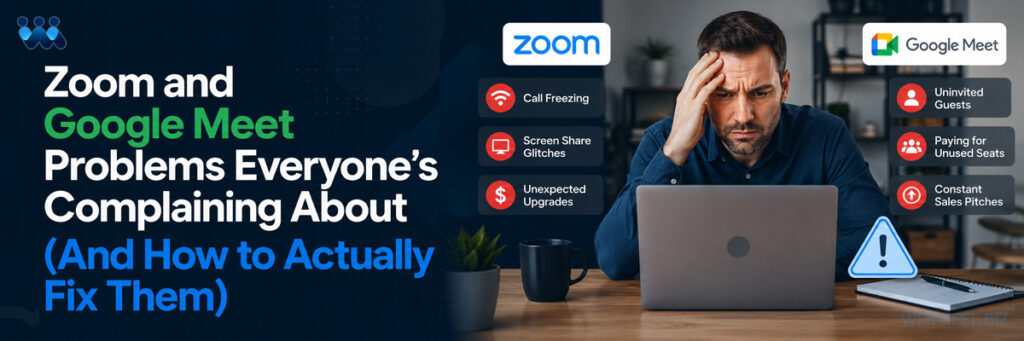
Per-seat pricing sounds simple until you look at an actual invoice. One widely cited billing dispute involved a solo operator who was moved onto a plan requiring a ten-license minimum — and paid for all ten, every month, for years, while never using more than one. That’s an extreme case, but the underlying pattern is common: teams get billed for every named user on the account regardless of how many are actually in a meeting at any given moment, and licenses purchased for growth sit unused for months while the invoice stays the same.
For a company scaling its use of video meetings — whether that’s a growing sales team or a licensee rolling out meeting technology to new departments — that pricing model actively punishes growth. Buy more capacity, pay more, whether or not it’s used. And once an organization is locked into a seat-based contract, walking it back is rarely simple: downgrading a plan often means renegotiating terms, losing promotional pricing, or running into minimum-commitment clauses that make the “solution” almost as frustrating as the original overpayment.
The Math Nobody Runs Until It’s Too Late
Most organizations don’t discover they’re overpaying until someone in finance runs a utilization audit — comparing active license count against actual login activity — and finds a meaningful percentage of seats going unused month after month. By that point, the sunk cost of past overpayment is already gone, and unwinding the situation means a renegotiation with the vendor, a plan downgrade that may trigger new restrictions, or simply accepting the ongoing waste because switching platforms feels like more disruption than it’s worth. That dynamic benefits the vendor and nobody else: the incentive structure of per-seat licensing rewards inertia, not right-sized usage.
Why It Happens
Per-seat licensing was built for an era of static software rosters — one login, one price, forever. It doesn’t account for the reality of modern meeting usage: distributed teams across time zones, seasonal demand spikes, departments that need occasional access rather than daily logins, and organizations whose meeting volume ebbs and flows with the business cycle rather than staying flat year-round. The billing model doesn’t flex with actual usage, so the mismatch between what’s paid for and what’s used only grows over time — and when customers try to right-size their plan, the disputes over refunds and cancellations become their own separate headache, layering a support and billing frustration on top of the original pricing complaint.
How WebMeet® Solves This
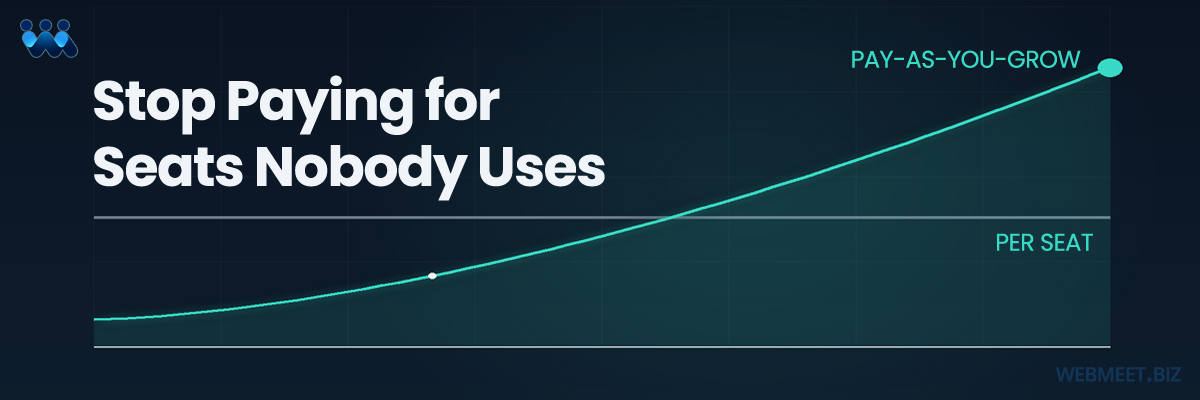
WebMeet’s licensing model is built around a pay-as-you-grow structure rather than a fixed per-seat toll. Licensees deploy WebMeet® into their own AWS environment and scale usage in line with actual business growth, instead of pre-committing to a headcount-based license tier that either underserves the team or overbills it. Growth in usage is met with growth in the model that supports it — not a renegotiation, not a plan tier jump that bundles in features nobody asked for, and not a multi-year lock-in designed to discourage switching.
That’s part of a broader economic advantage of the platform: because WebMeet® runs with a 58.8% net margin and no ongoing support burden on the licensee, the pricing structure doesn’t need to claw back margin through rigid seat minimums the way legacy per-seat platforms do. The margin structure of the platform itself removes the underlying incentive to overcharge for unused capacity in the first place.
What This Means for Licensees
For an enterprise evaluating meeting technology as part of a broader offering, pricing predictability matters as much as the technology itself. A model that scales cleanly with usage means finance isn’t stuck explaining seat counts that don’t match actual activity, and it means the platform’s economics stay aligned with the business’s actual growth trajectory rather than working against it. It also removes a recurring point of friction in the vendor relationship — the awkward, recurring conversation about whether the current plan still makes sense — because the pricing structure was designed from the outset to track usage rather than lock it in.
There’s also a sales-facing benefit worth noting. Licensees positioning WebMeet® to their own customers can point to a licensing model that doesn’t carry the reputational baggage of per-seat disputes now circulating widely in reviews and forums. Prospects evaluating meeting technology have increasingly been burned by rigid seat minimums before, which means a pay-as-you-grow structure isn’t just an internal cost advantage — it’s a selling point that resonates with buyers who’ve already lived through the alternative.
The Bottom Line
A pricing model should scale with your business, not tax it. WebMeet’s pay-as-you-grow structure means you’re not stuck explaining to finance why you’re paying for ten licenses to run one meeting, and you’re not locked into a plan that made sense a year ago but doesn’t reflect where the business is today.
Schedule a strategy call today, and let’s talk about what a branded web meeting solution could do for your business. Click the Book a Strategy Call button below.